Showing posts with label solar pool heating systems. Show all posts

Friday, 28 October 2022

Finding the Solar Pool Heating System for Pool

Are you looking for solar pool heaters to enjoy an extended swimming season? If yes, then you have made a good decision. Read the post and understand the benefits and tips to find the right solar pool heating system.

Let’s discuss the benefits of solar pool heaters.

Maximum Enjoyment –

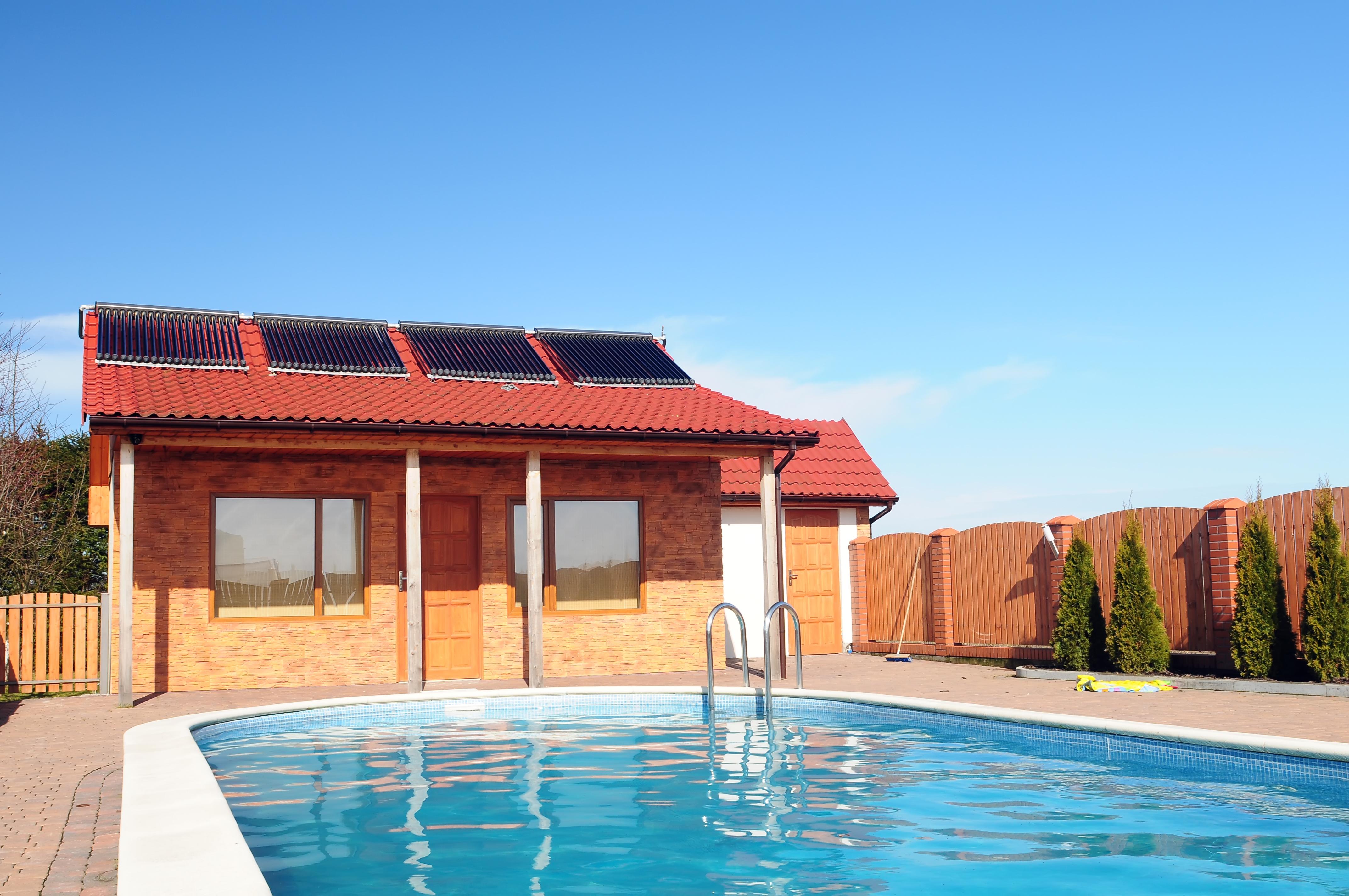
You’ve installed a pool in your backyard to use at your convenience. Now you can harness the solar energy for heating your pool to extend your swimming season and increase the enjoyment of everyone.

A solar pool heating system keeps your pool warm even during cold months and cool during the hottest time of the year. Hence, you can spend quality time with your family and friends while taking a refreshing dip in your pool.
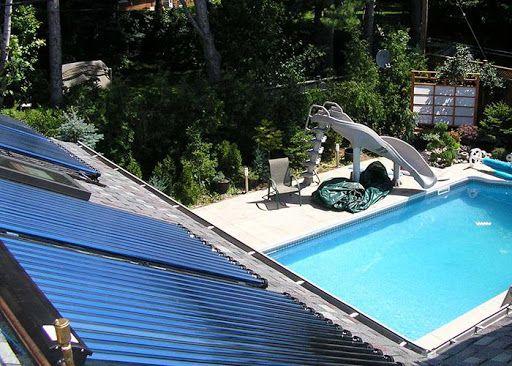
Solar Pool Heating

Eco-Friendly –

Traditional pool heating systems use natural gas or electricity for heating up. But solar pool heaters use the natural energy from the sun. The renewable energy source is eco-friendly and free of pollution. So your solar pool heater won’t produce carbon dioxide, pollution, or consume fossil fuels.

Affordability –

Solar pool heaters are considered affordable solar-powered systems available on the market. The sun is a free energy source that provides enormous renewable energy to operate your pool heater. Compared to traditional gas heating systems, a solar pool heater is incredibly energy efficient and affordable.

Low Maintenance –

Solar pool heating systems are durable and require less maintenance than their counterparts. The standard solar pool heating system works effectively for 15-20 years, double the average useful life of a traditional heating system. Maintain a good chemical balance in your pool and check the filter system regularly to keep your solar heating system working correctly.

Finding the Right Solar Pool Heating System –

Read on the steps to find the solar pool heating kit allowing you to relax in a comfortable, warm pool year-round at lower utility costs in no time.

Consider the pool size.

When you’ve decided to heat a pool using solar energy, the pool water is circulated through a solar collector to be heated by solar radiation. However, your pool heating system will require a collector that is 65%-100% of your pool surface area. Other factors like climate and personal preferences affect your decision.

Consider the climate condition.

Increasing the square footage of your pool area can extend the swimming season and make swimming possible during cooler weather. The choice is yours, and If you want the best results, you should contact the solar system installer, and they’ll help you determine the number of solar evacuated tube collectors that work for you.

Consider working with a reliable solar system manufacturer.

It’s suggested that working with a trustworthy solar system manufacturer is perhaps the most essential step in finding the right pool heating system for your pool. So, you should rely on Northern Lights Solar Tubs for the right solar pool heater.

When you trust us for your pool heating requirements, we prioritize your needs and ensure that you benefit from our professionalism, outstanding service, and extensive years of experience. For more information about our solar-powered systems, please contact us at +1 (800) 317-9054.

Monday, 12 September 2022

How Does Solar Pool Heating System Work?

Most pool owners know about using solar pool heating systems. They know all the benefits and cost-savings of solar for heating pools. Hence, investing in solar pool heaters can be lucrative for all pool owners. When buying a solar-powered heating system for your swimming pool, why don't you invest in a solar pool heating kit available at Northern Lights Solar Solutions! Look at the post and know how this system works.

How Does a Solar Pool Heater Work?

Solar Pool Heating

Northern Lights solar pool heaters feature a closed loop system, while other pool heaters use an open loop system. In an open loop system, the pool pump pushes the pool water against gravity which causes additional wear on the pump and increases the operational cost of pumps by up to 30%.

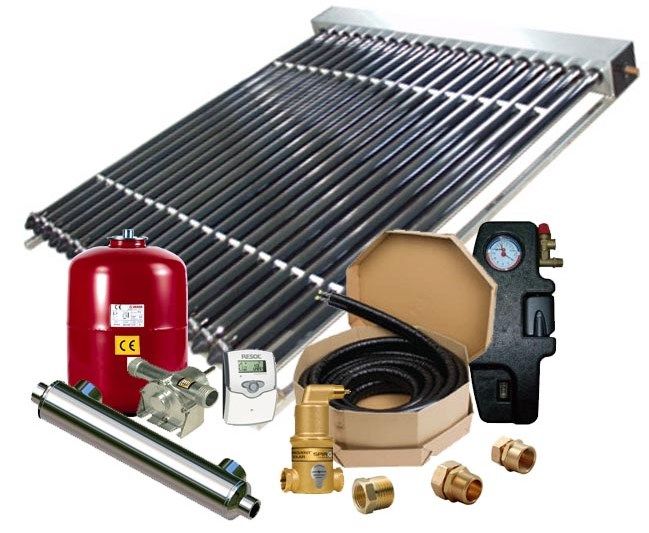
But Northern Lights solar pool heating units use a heat exchanger to separate the pool heating fluid and the water in the pool. As a result, a very mall amount of water or glycol (In cold climates) is circulated throughout the solar evacuated tubes at a rate of 0.75-1.25 GPM. The evacuated tube absorbs energy from the sun and transfers the energy to the pool by using a heat exchanger.

The hi-flow pool heat exchanger always puts little resistance on the pool heat pump, ensuring that the heat pump works at its normal capacity. In addition, it prevents the chlorinated pool water from touching the solar heating system. As a result, the solar system extends its life and investment by around five times that of an ordinary heating system.

However, Northern Lights solar pool heaters are highly advanced and much more efficient so that they can start delivering heat as soon as the sun rises in the morning. This implies they don't require direct sunlight conditions for their operation. Even in light rain, the solar pool heater will deliver heat energy to the pool.

The solar pool heating system has a digital controller that maximizes the solar output. It includes safety features like freeze protection, holiday cooling mode, and advanced energy monitoring, which will help you know your daily savings. In addition, you can get the system's real-time performance and historical data by transmitting the system data to the internet on any PC or smartphone through Free Resol VBus.net.

How Does Solar Pool Heat Exchanger Work?

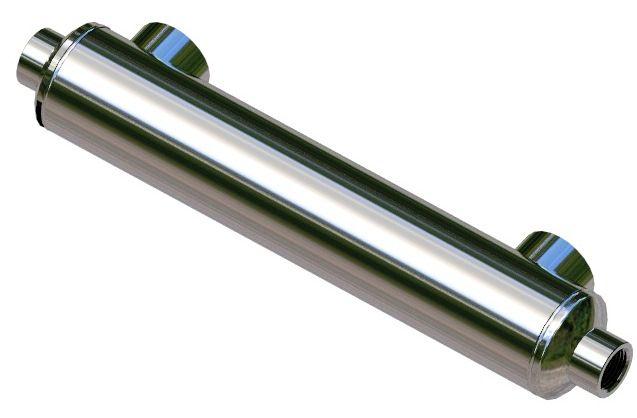
The solar pool heat exchanger is responsible for transferring heat between the pools. A titanium heat exchanger is perfect for saltwater or high chlorine pool. It will last much longer and work efficiently without being affected by the chemicals present in a pool.

The solar pool heat exchangers are specifically designed for applications of pool flow rates which can be as high as 50 GPM. The large unrestricted flow on the poolside absorbs the solar thermal energy provided by the solar side. The pool heat exchanger ensures that both liquids don't come in contact with each other physically.

Bottom Line –

Want to learn more about our available solar pool heaters and heat exchangers? If yes, then please contact Northern Lights Solar Tubs at 1 (800) 317-9054.

Tuesday, 7 June 2022

How Do You Save on Solar Pool Heating Costs?

Do you want to add a swimming pool to your backyard? Or do you have a swimming pool already? But do you not know how to get the most out of it throughout the day and year? If you own a swimming pool, you might be spending a significant amount on its maintenance. When you think of adding a heating system, it will further drive the price.

There are so many pool heating systems available right now. The costs of solar pool heaters tend to be less expensive in the long run than their electric and gas-powered systems. Generally, solar pool heating costs range from 2000-to 3000 dollars, including the installation cost. You may find the price steep, but the cost doesn't seem that bad when you consider what you will receive in return on the investment.

Solar pool heating costs are affordable as the energy source is free, i.e. the sun. With the solar panels and cover, the solar pool heating system keeps the pool water warm and extends the swimming season.


The solar-powered heating system for the swimming pool is ecological, renewable and sustainable. Some government bodies even provide grants and incentives to people investing in different solar heating systems. Generally, a pool heater's actual and monetary cost depends on additional facts. The two most important factors are the pool size and the climate of your area. Other factors like the type of system you invest in will significantly affect your solar pool heating costs.

If you want the best, most precise estimate of solar pool heating system costs, you should contact Northern Lights Solar Tubs. On our website, we have expert advice on every conceivable area of solar energy. In addition, you will get an accurate overview of your solar pool heating systems by browsing through the pages.

Whether you want to invest in a swimming pool or you are looking to extend the life of the existing pool, visit our site and take a look at solar pool heating costs. You will know the costs and a workable plan within an hour.

You might consider investing in a solar pool heater rather than a gas or electric-powered system. The answer is pretty simple. As discussed above, solar pool heaters are ecological and economical heating systems. They provide a renewable and sustainable way of heating your pool, allowing you to maximize your usage. In addition, you can extend the pool season by months upon installing a solar pool heater.

Don't hesitate to get in touch with Northern Lights Solar Tubs team today and let us provide you with the latest information on solar pool heating systems and the one that would work best for you. Then, with industry-best experts, we'll get back to you with the correct answers to any questions you could have.

Now you have the pool you've been longing for all the while. Invest in a solar pool heating system and gain the most from your new solar system investment.

Thursday, 5 May 2022

Why Do You Invest in a Solar Pool Heat Exchanger?

Do you own a swimming pool? If yes, then you might be well aware of the significance of a solar pool heat exchanger. But a flat plate solar heat exchanger is not right for the pool with the added chlorine and bromine. This is where a special high-flow pool heat exchanger comes in handy. This heat exchanger can be able to handle the higher secondary side flow and a higher level of chlorine.

It has better flow characteristics, making it ideal for heating your pool and hot tub. However, it’s highly recommended to invest in a titanium solar pool heat exchanger for applications that include using saltwater. This heat exchanger is highly resistant to chlorine and saltwater.

Why do you Invest in a Solar Pool Heat Exchanger?


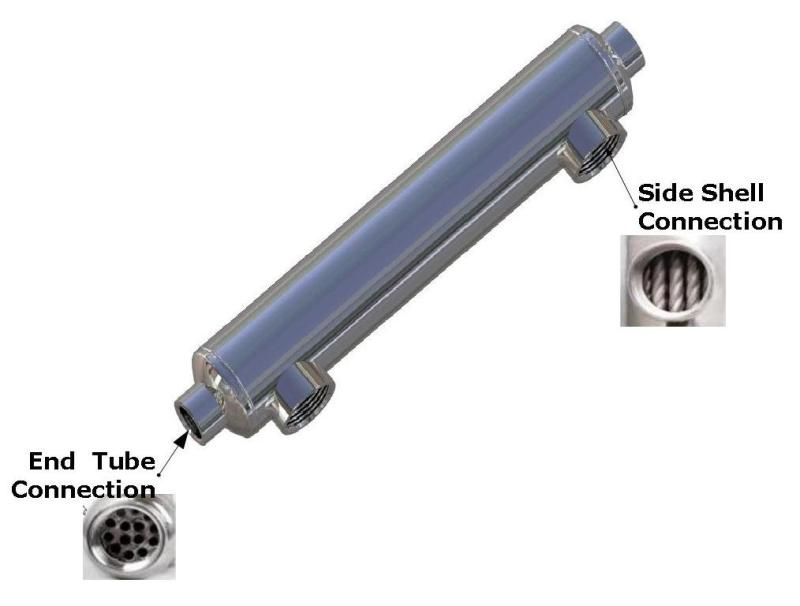
Both SP-155K and SP-300K heat exchangers are specifically designed to operate at a higher secondary side fluid velocity with low-pressure drops. They come with the helical coiled tube design which makes them stand out from other shell and tube heat exchangers available on the market currently. This exceptional design ensures highly efficient heat transfer performance and the systems to be used for diverse applications.

If you want the optimal performance of the solar pool heat exchanger, you need to consider installing it in a counter-current flow process. In this process, the hot or heating fluid flows through the tube or the primary side whereas the cold or heated fluid flows through the secondary or shell side. However, for the swimming pool, the pool water needs to flow through the shell side and the boiler water flows through the tube side.

What are the Main Features of the Solar Heat Exchanger?


The solar pool heat exchanger comes with higher heat transferring efficient heat exchanger tubes and a smooth shell. They ensure higher velocity inside the unit, making the heat exchanger more reliable, efficient, and affordable for indirectly transferring heat between any heating or boiler circuit and any pool or spa circuit apart from other applications.

Take a look at some of the key takeaways of solar pool heat exchangers.

  • Higher efficiency and co-efficiency up to 14000 W/M2 deg C
  • The heat exchange capacity of three to seven times that the traditional equipment
  • Compact configuration, small area occupancy – one-tenth than the traditional equipment
  • Made from stainless steel and/or titanium ensuring endurance against high temperature, pressure, and corrosion
  • Helix screw thread elasticity heat exchange bundle which helps in eliminating the stress from the system
  • Design flux speed of 5.5m/s which results in less dirt
  • Made with ASME standard VIII-1
  • Higher flow volume
  • Easy installation and optimal durability

Bottom Line –

Do you need help with purchasing solar pool heat exchangers? If yes, then you should get in touch with the Northern Lights Solar Tubs team as soon as possible at +1 (800) 317-9054. We’ll get back to you with a design estimate right away.

Monday, 3 January 2022

Why Do You Invest in Solar Pool Heating System?

Do you want to say goodbye to the leaky plastic mats aligning the roofs of homes? Are you looking to consider new age solar pool heaters? Why don’t you invest in solar pool heaters that use high powered solar vacuum tubes!

They are capable of providing homeowners with solar heat energy which is delivered to the pool in an indirect way. These solar pool heating systems use stainless steel or titanium heat exchanger. They can eliminate the harmful damage caused by the chlorinated water present in any solar heating system.


Using the heat exchanger, the solar pool heater removes the requirement for oversized pumps. They raise the large volume of water to the top of the roof. Instead, this pool heating system requires a small circulating pump which draws less than a light bulb with life expectancy of 20 years.

Why Do You Switch to Solar Vacuum Tube Pool Heaters?

There are so many reasons behind installing solar evacuated tubes pool heaters. They work in indirect light and cloudy conditions. This means, solar pool heaters are capable of providing useable heat energy to the pool from sunrise to sunset and cloudy days. Vacuum tubes have a life expectancy of over 25 years so that you don’t need to fix leaks and replace any mats once in every three to five years.

The ownership cost of solar pool heating system is substantially less. The evacuated tubes won’t be affected by windy conditions. Ordinary plastic pool heaters work like radiators which removes the heat energy much faster than it can be supplied even if there’s a slight breeze.

The vacuum tube works effectively in minus 40 degrees. When the ambient temperature is colder than the pool water, an evacuated tube solar pool water is working consistently. Other systems only provide heat energy when the air temperature is more than the pool temperature. This means, you can extend the pool season by two to three months by using this solar pool heater.

The pool heating system has much longer life expectancy and delivers more heat energy throughout the season than any other type of pool heaters. The overall ownership cost is substantially which yields more savings to homeowners over fossil fuels and electricity as well as other traditional pool heating methods.

Though you’re going to heat the pool by using solar powered system, it will minimize your heating bills year round. This system is the only alternative to the indoor pool and a perfect solution for heating pools during winter.


The main reason behind the solar pool heaters is the design allowing the pool heating systems to integrate with each other easily. Your solar pool heater can be able to supply hot water to the residential premise and can work during winter to supply your home with enough space heat. It can share its heat with a hot tub to maximize your investment.

The solar pool heating systems are available with a second zone option which can be added at any time. Imagine heating your pool during the summer and having the system minimize your home heating bill remaining of the year by providing you with thermal energy even amidst winter.

When it comes to investing in solar pool heaters, you should look no further than Northern Lights Solar Tubs. For more information, please contact us today at +1 (800) 317-9054.

Monday, 6 December 2021

What are your reasons for considering purchasing a solar pool heater?

Are you looking for solar pool heaters? If yes, you must be familiar with the benefits and cost savings of using solar pool heaters. Most pool owners are using pools for seasonal purposes and are used only during the summer.

Investing in a solar pool water heating system can offer so many benefits to pool owners. It can be integrated to provide heat to the pool during summer and deliver home, space heating as well as residential hot water. 

However, you’ll get significantly less heating bills throughout the year. These systems are the only solution for indoor pool owners looking for heating pool during the winter. Generally, Northern Lights pool heating systems come with much longer durability and provide more amount of heat energy throughout the season than any other available solar pool heaters.


However, the overall ownership cost is substantially less as it yields maximum savings over the cost of fossil fuels and electricity. Currently, solar pool heating systems use hi-powered solar vacuum tubes to provide solar energy which is delivered indirectly to the pool.

Solar pool water heating systems come with a stainless steel or titanium heat exchanger which can eliminate the damage caused by the chlorinated water. Using a heat exchanger eliminates the requirements for over-sized pumps that raise the large volumes of water to the top of the roof. In fact, these pool heaters require a small size circulating pump which draws less than a light bulb with the life expectancy of 20 years. 

You will take advantage of so many benefits for using solar evacuated tubes pool heating systems. Typically, a vacuum tube works effectively in indirect light and cloudy conditions. This means from sunrise to sunset and cloudy days, the systems will be able to deliver usable heat energy to pool. They have a life expectancy of over 25 years which implies you won’t need to fix leaks and replace mats in every three to five years. 


Moreover, the cost of overall ownership is substantially less. Even, these tubes work effectively during windy conditions. But the ordinary plastic pool heaters work like radiators which remove heat energy faster than it supplies when there’s a slight breeze.

Vacuum tubes work even in minus 40 degrees. When the ambient temperature is colder than the pool water, your solar water heater is working. Other systems provide heat energy only when the temperature of air is more than the pool temperature. This means, as a pool owner, you can be able to extend the pool season by two to three months by using advanced solar pool heaters from Northern Lights Solar Solutions. 

If you’d like to learn more about solar pool heaters, feel free to contact Northern Lights Solar Tubs team as soon as possible at +1 (800) 317-9054. We’ll get back to you right away with the pricing details and design related information.

Tuesday, 12 October 2021

Understanding an Open Loop & Closed Loop Solar Pool Heaters

When it comes to investing in solar pool heating systems, most pool owners have to choose between open loop and closed loop. You might be confused about the pool heater that works for your setup. Both types of systems are engineered specifically to the individual requirements of the customers.

This way, you will save more on electricity bills and reduce carbon footprint to a greater extent. With the constant advancement of technology, people are finding new more efficient ways to use the natural resources available to use. It’s time to invest in solar pool heaters so that you can transform the heat energy emitted from the sun into something useful for you and your family.


But you should understand the differences between the systems and know the one that works best for you.

Understanding an Open Loop Solar Pool Heater

An open loop solar pool heater helps in heating water directly from the pool and is added to the existing loop system. The water will circulate through the solar collectors in the existing filter and heating loop during the normal pool operation.

When the system requires energy for heating the pool, the water flows into the filter and existing heater. If the solar energy is providing the required temperature, the secondary backup heater won’t be needed. When your pool has the required temperature, the system starts bypassing solar loop to prevent it from overheating.

Advantage –

An open loop solar pool heating system has lower installation costs.

Disadvantages –

  • Less reliability
  • Less accuracy
  • More energy consumption by pool pump
  • Not ideal for cloudy or cold weather
  • Affected by chemicals or salt water
  • Roofs damaged by frequent leaks

Understanding a Closed Loop Solar Pool Heating System


A closed loop solar pool system is generally a pressurized system that separates from the pool loop. It doesn’t use water. Instead, an eco-friendly antifreeze solution that contains water, glycol, and propylene is used in the collectors.

This fluid circulates through the collectors and after that heat transfer is takes place in the pool water through a stainless steel or a titanium heat exchanger. Pool circuits meet up in parallel through the heat exchanger where the collector system transfers solar energy to the existing heater.

The existing heater supplies any extra required energy before going back to the pool. The circulating pump is switched off by taking the system into the “Stagnation” state. The fluid present in the collector converts to steam which the additional expansion tank in the loop absorbs it. This system is commonly used in the colder climates, year-round pools, and indoor solar pool heaters.

Advantages –

  • More reliability
  • More accuracy
  • Smaller circulating pump that uses less energy
  • Year-round use in indoor and outdoor
  • Easy integration into multiple systems
  • Longer life expectancy
  • Unaffected by pool chemicals

Disadvantage –

Higher initial cost

Final Consideration –

When deciding the solar pool heater, you should know what’s best for your setup. If you want to choose the system that’s the most trustworthy and uses the advanced solar technology, you should look no further than the closed loop system. It’s the efficient way of heating a pool that optimizes your rate of return.

If you want to learn more about solar pool heating systems, feel free to reach out Northern Lights Solar Tubs at +1 (800) 317-9054.

Thursday, 17 May 2018

How Do You Go Solar for Your Home?

Currently, most homeowners are installing solar panels on their homes, and for good reasons. When you generate electricity on your own with solar, you can enjoy so many benefits, like:
  • You can reduce monthly bills.
  • You can increase the value of your property.
  • You can help the environment by minimizing greenhouse emissions.
Now solar is more accessible than ever. One more interesting fact is that the cost of solar has reduced and solar technology has become an efficient alternative.

One question you may hear from builders or installers if you’re considering solar for your newly constructed home is whether your home is solar ready. But what does it actually mean and what might require your attention before going solar?

You should look at the efficiency of your home. 

Want to maximize solar savings at home? It’s wise to consider an energy audit before beginning the project. If you’re building a new home, you should make your home as energy-efficient as possible.

However, energy audit at home isn’t necessary before going solar. It can help you know the options to minimize your energy consumption. As a result, you’ll save on the upfront cost of installing a solar panel system at home.

Another thing that will save you money, in the long run, is to electrify your home by switching to electric heat and appliances. This way, you will cut down on your home fuel costs and install a large solar panel system to generate electricity for your home.

You should consider the material, durability, and the structure of the roof. 

Are you considering the installation of solar systems on the rooftop? There’re a few factors that will impact the solar readiness of your home:

Durability –

Does your roof require replacement in the next 5-10 years? It’s better to consider roofing before installing solar panels. Therefore, you can avoid the cost of uninstalling and reinstalling the panels down the line. In fact, the panels will extend the life of your roof by protecting them from the environmental elements.

Structure –

When it comes to installing solar, the roof structure plays a key role. If you want to install your system on the roof, you should take a look at the structure of your roof beforehand.

Material –

Some roofing materials are really harder to install than others. For this reason, it might be hard to find an installer willing to do the job with harder roofing materials.
If you’re building a new home and looking to go solar, it’s a good idea to avoid slate and cedar shingles like roofing materials. Both are more fragile in nature.


Space –

Going solar in your home requires you to have an ample amount of space, especially if you utilize a lot of electricity for residential purposes.

Are you looking to install solar systems like solar water heaters, etc. at your new construction? Just avoid things like skylights, vents, and dormers on the specific parts of the roof where you plan to place panels. But solar systems on the uninterrupted part of the roof are easier to install.

You should consider your roof’s accessibility to uninterrupted sunlight. 

Does the sun shine on your roof throughout the day? If yes, then it’s a perfect candidate for the installation of solar panels. However, the shade on your roof or your property might impact on your system’s electricity production negatively.

A little bit of shade may not be bad for going solar, depending on the direction the panels face. You should check whether the shade remains in the picture during peak energy production hours. You can use the latest technology like micro-inverters to maximize the production.

You should know the current electric setup of your home. 

Do you own an older electrical system at home? Your solar installer might recommend an upgrade of the existingelectric panel prior to installation. The inverter of the solar system will be connected to your electric breaker. Depending on the size of the inverter and your solar panels, you may require a larger electric setup for safety reasons.

Final Consideration –

Now you may have an idea about how to make your home solar ready. What’s next? Are you interested in shopping solar kits for your newly-built home or an existing one?

Shop for the best solar systems, including solar water heating systems at Solar Tubs today and take advantage of solar in the long run. Whether you want to buy a solar water heater or a solar pool heating system, you’ll find the right solution for your home at Solar Tubs!

Monday, 9 April 2018

How Solar Space Heating Works?

Also known as solar home heating, solar space heating employs energy that’s detained from the sun to produce the appropriate temperature at any moment. It’s considered among the low price form of heating as it offers renewable energy. This type of heating is gaining popularity and it’s being employed in diverse sectors because of its capability to convert one of the most certain sources of power, which is up course the sun. The energy captured in this way has the capability to warm up any area, therefore creating a comfy space throughout the winter months.

How solar space heating work?

Solar home heating can be performed in various ways. It’s hence essential to make sure which one best fit your requirement prior to making any decision. While they aren’t the only methods, they’re certainly the most commonly used ones.

Through a space heater appliance: This appliance makes it feasible to release hot air. This’s performed by the production of hot exhausts, which are generated by the heated compounds discovered inside the appliance. This can be performed in different manners. For beginners, it can be performed via solar panels or otherwise, batteries, which are employed with the space heater, can be charged & employed afterward until the energy is depleted. It’s essential to say that there’re some solar space heating units(https://www.solartubs.com/solar-home-heating.html), which possess the abilities of executing both actions and therefore, make sure that heating is accomplished for an extended period.
Multiple battery systems: In this scenario, an expert needs to be appointed to set up the unit. It needs that you incorporate extra solar paneling sets and also split array, which makes it feasible to divide the power obtained from the sun & shift it to the batteries. Meanwhile, this makes sure that the space heater appliance being used is powered also. It’s essential to keep in mind that while this is a productive approach, it doesn’t work in regions that boast massive clouds all through the winter months. Set up of these panels is effortless because many experts in the industry are willing to execute this at a negligible fee.
 
Solar home heating units can considerably decrease your energy bills. Furthermore, they’ll also decrease the amount of greenhouse gases that you generate from employing fossil fuels. With numerous tax credits, rebates and grants available on solar energy, there are no valid reasons why you shouldn’t give solar space heating a try.

What Do You Consider for Designing Solar Water Heating System?

When looking for solar water heaters , you should look no further than Northern Lights Solar Solutions. Their solar water heating systems ...