Thursday, 13 October 2022

Why Do You Invest in a Solar Home Heating System?

Solar home heating systems are gaining popularity in the solar water heating industry. Solar-powered home heating systems are popular because of delivering extremely high efficiencies and higher operational temperatures. It's possible because of solar evacuated tubes. Solar evacuated tubes work efficiently in low light conditions, even if the temperature is minus 35 degrees.

Solar home heating is a reliable alternative for heating purposes throughout the Northern USA, Canada, and Europe. This solar-powered system can be integrated with an existing heating system like a radiator, in-floor heating system, or forced air heating system.

By integrating the solar-powered heating system, you can expect to save up to 50% of your heating bill. It's becoming heating the home consumes a significant portion of your energy bill, and its payback can be within five years.

How Does a Solar Home Heating Kit Work?
Solar Home Heating

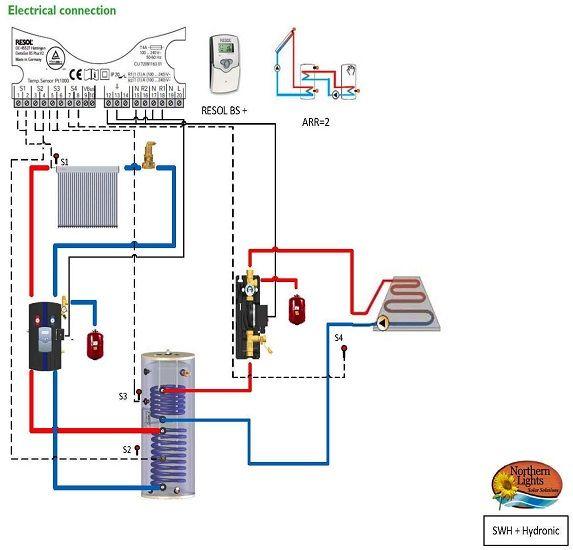
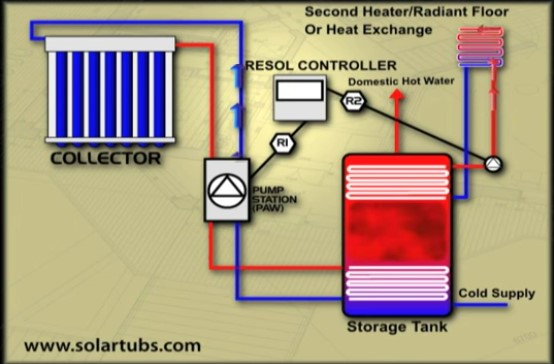
Solar home heating or solar space heating systems use solar evacuated tube collectors to absorb solar energy. The energy is then transferred to a storage tank or concrete in the case of an in-floor heating system. The heat stored in the storage tank is then integrated with the existing heating system to provide heat energy to the heat supply unit.

The solar home heating system has a larger 119-gallon storage tank to store more energy. The stored energy in the storage tank can be used in the evening to accommodate every home's heating needs, even if the sun is not shining.

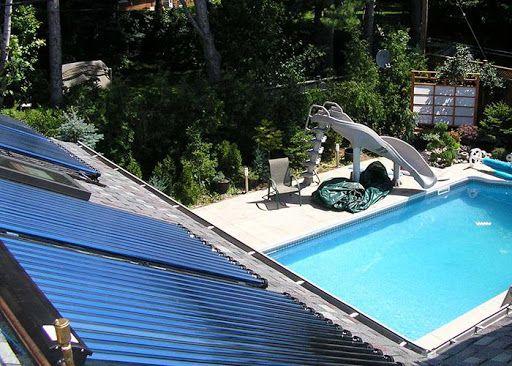
In winter, you require more heat. Hence, you can add a secondary dissipation loop to offload the heat energy during the summer months. For example, if you own a pool or a hot tub home, you can transfer the excess heat energy during summer while enjoying the free pool, hot tub, and space heat in winter.

Alternatively, a dissipation loop like an exterior fan or buried pipe can help dump the excess amount of heat. Finally, consider using a geothermal system to eliminate the extra heat in the summer while storing it in the ground for your use during winter. Even you can cover or unplug the heat pipes during summer as a manual way to switch off the system.

Solar home or space heating systems are ideal for colder regions. It's because they are susceptible to freezing. The systems use a special glycol heating fluid to avoid the damage caused by the frozen pipes. The unique fluid can even work at minus 40 Fahrenheit in temperatures as high as 480 F.

Bottom Line –

Do you want to learn more details about solar home heating systems? Please contact Northern Lights Solar Tubs at +1 (800) 317-9054. Whatever your solar home heating requirements, we will get back to you with right design estimate best matching your expectations.

Monday, 26 September 2022

How Does Solar Home Heating System Work in Cold Weather?

Solar home heaters or solar space heaters are growing rapidly in the solar water heating industry. The main reasons behind their popularity include the enormous energy efficiency and higher operational temperatures through the solar vacuum tubes.

Generally, solar evacuated tube collectors work well in low light conditions and temperatures, i.e. minus 35 degrees. As a result, most homeowners in Northern USA, Canada and Europe are using solar home heaters for heating their homes.

Generally, they can integrate their systems with the existing heater like a radiator, in-floor heater or forced air heater. The integration helps in saving around 50% of their heating bill. After all, heating a home consumes a significant portion of your energy bill so you can expect the payback within five years.

How Does Solar Home Heating System Work?

solar home heatring

A solar home heating system comes with solar vacuum tube collectors, which help absorb solar energy. After that, the energy is transferred to the storage tank, which is then integrated with the existing heating system to supply heat to your home.

A Northern Lights solar home heating system comes with a 119-gallon storage tank. The storage tank can hold enough energy, which can be used in the evening to supply heat to your home. In addition, the stored energy is helpful for the house when the sun is not shining.

Usually, you require more heat energy for your home during winter. So, you can use a secondary dissipation loop to offload the heat energy during the summer months. If you own a pool or a hot tub, your heating system can transfer the excessive heat energy to the hot tub or pool to provide heating during winter.

Every homeowner can use an alternative dissipation loop like a buried pipe or an exterior fan to dump the heat. However, a geothermal system is an ideal investment to eliminate the excess heat in summer by storing it in the ground for use during winter. Alternatively, you can cover or unplug the heat pipes in summer. It’s known as a manual way of shutting down the heating system.

Solar home heating or space heating systems are typically used in colder regions. However, these systems are susceptible to freezing conditions as they use a special solar glycol heating fluid to prevent damage caused by the frozen pipes. The glycol heating fluid can even work at minus 40 Fahrenheit or operate at high temperatures, i.e. 480 F.

When you buy a solar home heating system, you should rely on Northern Lights Solar Tubs. Our specially designed solar home heating systems come with specialized solar storage tanks. They have a larger storage capacity of 119 gallons and can store over 120,000 BTU (35 KW) heat energy anytime. If you want to know more about our solar-powered home heating systems, please call us at +1 (800) 317-9054.

Monday, 12 September 2022

How Does Solar Pool Heating System Work?

Most pool owners know about using solar pool heating systems. They know all the benefits and cost-savings of solar for heating pools. Hence, investing in solar pool heaters can be lucrative for all pool owners. When buying a solar-powered heating system for your swimming pool, why don't you invest in a solar pool heating kit available at Northern Lights Solar Solutions! Look at the post and know how this system works.

How Does a Solar Pool Heater Work?

Solar Pool Heating

Northern Lights solar pool heaters feature a closed loop system, while other pool heaters use an open loop system. In an open loop system, the pool pump pushes the pool water against gravity which causes additional wear on the pump and increases the operational cost of pumps by up to 30%.

But Northern Lights solar pool heating units use a heat exchanger to separate the pool heating fluid and the water in the pool. As a result, a very mall amount of water or glycol (In cold climates) is circulated throughout the solar evacuated tubes at a rate of 0.75-1.25 GPM. The evacuated tube absorbs energy from the sun and transfers the energy to the pool by using a heat exchanger.

The hi-flow pool heat exchanger always puts little resistance on the pool heat pump, ensuring that the heat pump works at its normal capacity. In addition, it prevents the chlorinated pool water from touching the solar heating system. As a result, the solar system extends its life and investment by around five times that of an ordinary heating system.

However, Northern Lights solar pool heaters are highly advanced and much more efficient so that they can start delivering heat as soon as the sun rises in the morning. This implies they don't require direct sunlight conditions for their operation. Even in light rain, the solar pool heater will deliver heat energy to the pool.

The solar pool heating system has a digital controller that maximizes the solar output. It includes safety features like freeze protection, holiday cooling mode, and advanced energy monitoring, which will help you know your daily savings. In addition, you can get the system's real-time performance and historical data by transmitting the system data to the internet on any PC or smartphone through Free Resol VBus.net.

How Does Solar Pool Heat Exchanger Work?

The solar pool heat exchanger is responsible for transferring heat between the pools. A titanium heat exchanger is perfect for saltwater or high chlorine pool. It will last much longer and work efficiently without being affected by the chemicals present in a pool.

The solar pool heat exchangers are specifically designed for applications of pool flow rates which can be as high as 50 GPM. The large unrestricted flow on the poolside absorbs the solar thermal energy provided by the solar side. The pool heat exchanger ensures that both liquids don't come in contact with each other physically.

Bottom Line –

Want to learn more about our available solar pool heaters and heat exchangers? If yes, then please contact Northern Lights Solar Tubs at 1 (800) 317-9054.

Tuesday, 6 September 2022

How Does Solar Home Heating System Work?

Solar home heating systems have been growing rapidly in the solar water heating market. They are popular due to their extremely high efficiency and higher operational temperatures thanks to the solar vacuum tubes. Solar evacuated tube collector works efficiently in low light conditions and operates consistently even if the temperature reaches minus 35 degrees.

However, solar home heating systems are commonly used in the Northern USA, Canada, and Europe. It can be integrated with an existing heater like a radiator, in-floor heat, or forced air heater. By combining this system, you can expect to save up to half of your heating bill. After all, heating the home consumes a significant portion of your energy bill, and you can expect the payback within five years.

How Does Solar Heating Kit Work?

Solar Home Heating

A solar home heating system uses solar evacuated tube collectors to absorb solar energy. The energy is then transferred to the storage tank or a concrete pad in-floor heating system. The stored heat is integrated with the existing heating system to supplement the heat supply.

The solar-powered heating unit comes with a larger 119-gallon storage tank which can hold more energy and be used in the evening to supply heat. It’s necessary as this is when the sun is not shining.

The heat demand increases during the winter, so the system will require a secondary dissipation loop to offload the heat in the summer months. If you own a pool or hot tub home, you can use excessive heat energy during summer. The home heating system will undoubtedly provide free heat to your pool and hot tub in the winter.

Alternatively, a dissipation loop like a buried pipe or exterior fan can be essential for dumping heat. Finally, you can use a geothermal system to remove the excess heat in the summer, which helps store it in the ground during winter.

The solar home heating system is commonly used in colder regions susceptible to freezing conditions. The solar-powered unit uses a unique solar glycol heating fluid to prevent damage caused by the frozen pipes. The special heating fluid can even work at minus 40 degrees Fahrenheit and at as high as 480 Fahrenheit.

In addition, the Northern Lights solar home heaters come with specially designed solar storage tanks. The tanks are larger and have a storage capacity of 119 gallons. As a result, they can store over 120,000 BTU (35 KW) of heat energy at any time.

Moreover, the solar home heating system can be integrated with solar radiant floor heating systems, geothermal heating systems, and solar air heaters. For more information about solar home heating systems, contact Northern Lights Solar Tubs at  +1 (800) 317-9054. Rest assured; we’ll suggest the best possible plan for heating your home with solar-powered systems.

Tuesday, 23 August 2022

Why Do You Consider Solar Evacuated Tube Hot Water Heaters?

There are so many solar water collectors available today to choose from. Flat plate collectors are commonly used in North America. This collector works well for producing residential hot water throughout every season but loses its efficiency and performance during winter.

Besides this, solar evacuated tube collectors are highly advanced collectors available for solar hot water heaters. These collectors can produce a higher temperature. However, their significant benefit is the winter performance. The solar vacuum tubes help you heat hot water during winter, outperforming all other types of solar collectors available.

Solar Hot Water Heaters

If you buy solar hot water heaters that produce hot water at a higher temperature, you should consider investing in solar vacuum tube collectors. They will deliver excellent results. Solar evacuated tube collectors work like coffee thermos. The vacuum tube traps heat energy inside, which can’t escape. But a flat plate collector works more like a regular coffee cup.

The energy produced by flat plate solar collectors will escape through the walls of the collectors faster. Therefore, the outside temperature remains colder during winter, and the heat loss will be more with a flat plate collector than with a solar vacuum tube collector. Therefore, most people living in the northern climates like Canada and Northern UDA consider investing in solar vacuum tubes and hot water heaters.

Solar vacuum tubes are gaining popularity in Europe and Asia. That’s why you will find the production price substantially less. This means the overall cost of a solar water heating system with vacuum tubes has declined, making them popular for water heating purposes. However, these collectors provide a superior level of performance during winter and higher operational temperature for home heating and space heating purposes. Therefore, they are ideal for delivering solar energy to homes, shops, and commercial premises.

When you invest in a more extensive size system, it can produce hot water for the home and supply additional heat to help the home heating system. This is a perfect way to absorb the full energy potential of the sun as the home heating, and residential hot water often takes around 80% of your home’s total energy consumption.

However, the heat energy demand during summer is zero. So you need to control the additional solar heat. You can get it done by diverting heat energy to the pool or hot tub or simply using covers for solar collectors.

When investing in solar hot water heaters, you should look no further than Northern Lights Solar Tubs. We specialize in providing pre-packaged solar heating designs for residential hot water and pools, home heating, and hot tubs. For more information about our solar water heaters, please contact us today at +1 (800) 317-9054.

Saturday, 13 August 2022

4 Best Solar Hot Water Heaters for Residential Applications

Solar hot water heaters are generally helpful for heating hot water in homes and businesses. Usually, hot water consumes around 20%-40% of the total energy consumption of every home. Solar water heating systems are the perfect solutions to minimize heating costs. However, Northern Lights solar hot water heaters can reduce the hot water cost by 65%-75%. They are easy-to-install systems and are available with every component to complete the installation. These solar water heating kits come with highly insulated stainless steel solar piping and fittings. They don’t have any complicated pipework and soldering.

So, go through the below-discussed water heating systems for residential hot water. Please check out them thoroughly and make the proper selection:

1. Preheat Solar Tank Water Heater

The solar water heating system comes with two tanks. The first tank is a solar preheat tank, whereas the second tank is the primary solar hot water storage tank with an internal heat exchanger.

The solar preheat tank helps supply warm water to the existing hot water tank. This solar hot water heater is the commonly available retrofit as it uses the existing hot water tank and requires very little retrofit to the plumbing system. The current main supply line is connected to the preheat tank and drawn back to the supply line when it gets heated.

The Preheat Solar Tank Water Heating System works on the basic stratification theory. In this process, the solar water heater gets heated using a thermostatic or a very slow pump. As a result, it ensures slow mixing of water, which means the top layers always contain the hottest water.

Though the water in the top part is drawn into the main tank, you will use the hottest water first. This is because the average household uses hot water in batches instead of all at once, and the solar water heater can accommodate daily demands.

Solar Hot Water Heaters

2. Solar Tank-less Water Heater

These solar-powered water heating systems use the same principle. The water gets heated through the solar storage tank and enters the tank-less heater. For instance, primary line water coming inside the home at 40 degrees can be heated by using a preheat tank at 120 degrees C. If the temperature is set to 140 degrees, it only needs to supply 20 degrees of heat energy than 100 degrees without the solar preheat tank. As you can see, you will take advantage of significant savings on heating costs.

3. Solar Combo Tank Water Heater

This specially designed hot water heating system combines a solar preheat tank and electric backup heater in a single unit. This tank uses the internal heat exchanger, which is present in the bottom part of the solar water storage tank.

The solar loop is piped through this tank and starts heating water. The top part of the water tank has an electric heater to quickly top up the water temperature or support during days of no sun.

4. Compact Solar Water Heater

Are you looking for a solar heating system to produce hot water at home? Then, why don’t you invest in a Compact Solar Water Heater! It’s an excellent alternative to the advanced closed-loop solar water heaters and has no moving parts or pump.

The Compact Solar Water Heater system works very well in the southern climates, which seldom get freezing. It works up to 20 F (-5C). You can install it on the ground or mount it on the roof. An 80-gallon storage tank is integrated with the solar evacuated tubes and provides sufficient hot water for a family of four to five.

Bottom Line –

Do you want to learn more about solar water heaters? Please get in touch with Northern Lights Solar Tubs as soon as possible at +1 (800) 317-9054.

Tuesday, 2 August 2022

How Do Pool Owners Take Advantage of Solar Pool Heating System?

Do you want to enjoy the Canadian summer? If yes, you need to look for a perfect way to cool yourself off on these hot days. What better way than a pool to refresh your body, mind, and soul! However, most pool owners in Canada and Northern USA find their pools seldom hot enough, and only during rare heat wave days do you feel like having enough heat.

As a pool owner, you need an additional heat source for colder nights, like propane or natural gas heater. But the cost of pool heating can be significantly more. So, you need to look for a cost-effective for heat your pool. What about investing in a solar pool water heating system!

Earlier, solar vacuum tube pool heaters were too costly. But the demand for solar heating is rapidly growing globally. So, the cost of solar vacuum tube collectors is at a record low price, allowing you to use this system to heat your pool efficiently. So, please go through the post and learn how pool owners take advantage of a solar pool water heating system.

  • Solar evacuated tube collectors never lose their heat despite the wind and temperature conditions. ‘
  • Solar vacuum tubes work in indirect lights, even during cloudy weather. Your solar pool water heating system continues working even when the sun is set. 
  • Northern Lights solar pool heating system uses a stainless steel or titanium heat exchanger, ensuring that pool water never comes in touch with the solar collector. 
  • Though the system features a heat exchanger, the entire system is a closed-loop. It can be pumped with as little as 20 watts of energy, about ten times less than a pool heat pump needs for moving up water to the roof area. 
  • Solar pool heating systems use evacuated tubes that can provide heat energy to the pool even during the freezing weather. This means the outdoor ambient temperature has little effect on the pool water heating system. 

How Do You Take Advantage of Solar Pool Heating Savings?

Solar Pool Heating

As a pool owner, you might know the benefits and cost savings of using the solar system to heat your pool. Investing in a solar pool heater can give significant benefits to pool owners. Northern Lights solar pool heaters can be integrated to deliver heat to the pool during summer and provide home and space heating and residential hot water during winter.

When using a solar pool heating kit, you can expect dramatically lower heating bills throughout the year. In addition, this system is the only alternative for indoor pool owners looking for a perfect way to heat their pool during winter.

In addition, the solar pool water heating system has a much longer life expectancy and can deliver more heat energy throughout the season than any other solar pool heating system. Moreover, the overall ownership cost is substantially less to the pool owners yielding more savings over electricity and fossil fuels. The savings will be more as compared to traditional pool heating systems.

Bottom Line –

So, what do you think about investing in a solar pool water heating system? If yes, you should get in touch with Northern Lights Solar Tubs. For more information about our solar pool heating packages, please get in touch with us at +1 (800) 317-9054.

What Do You Consider for Designing Solar Water Heating System?

When looking for solar water heaters , you should look no further than Northern Lights Solar Solutions. Their solar water heating systems ...